When it comes to timeless accessories, few decisions matter more than choosing between gold or silver jewelry. This choice affects not only appearance but also comfort, durability, and personal expression. Each metal brings unique qualities that suit different styles, skin tones, and lifestyles.
Moreover, the decision isn’t just about fashion. It involves care, cost, and emotional value. Some people wear gold for its warmth and luxury. Others prefer silver for its cool elegance and affordability. Whether you’re buying for yourself or gifting a loved one, understanding the differences helps make a confident choice. As we explore the world of gold or silver jewelry, you’ll discover how each option fits into modern life.
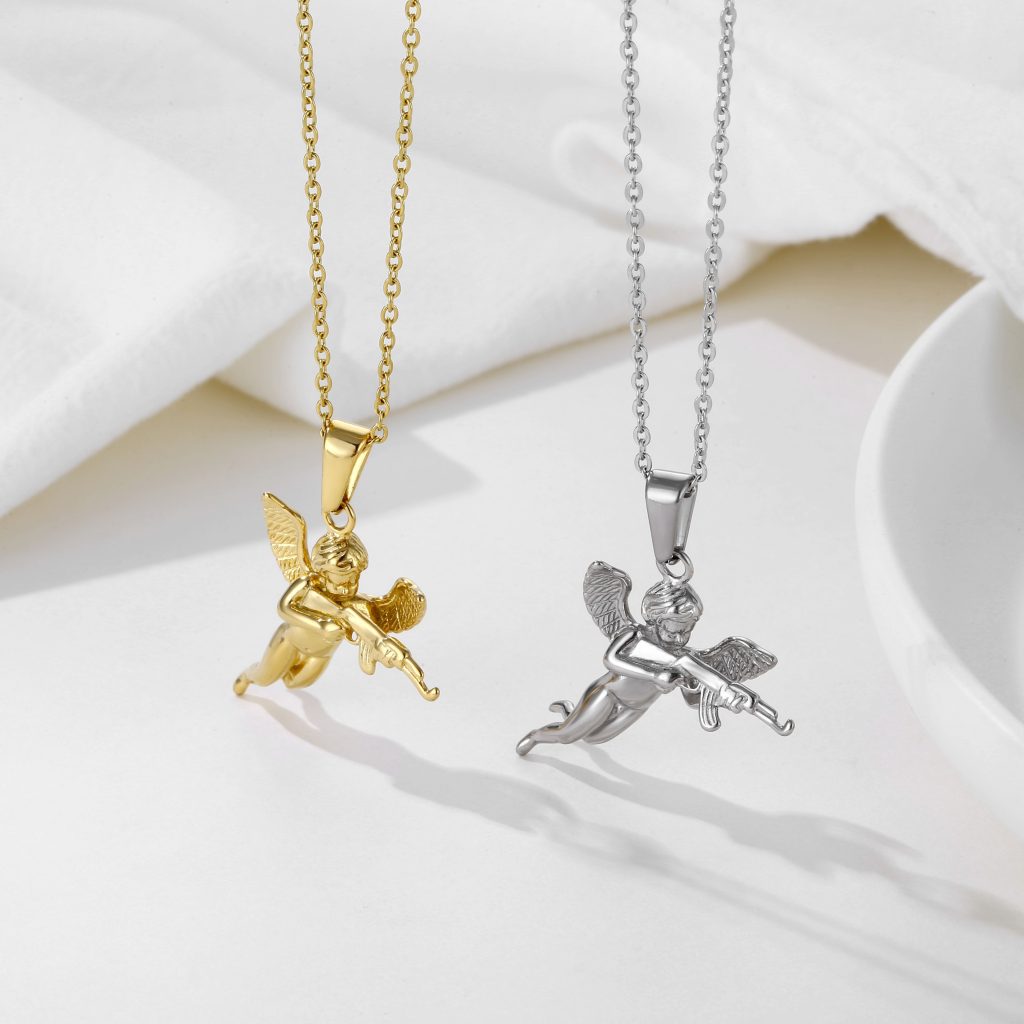 Why Skin Tone Influences Your Choice of Metal
Your natural coloring plays a big role in how jewelry looks on you. Many experts suggest matching metal to your undertone. This creates harmony and enhances your features.
People with warm undertones often look best in gold. Their skin has yellow or golden hints. Yellow gold complements this warmth beautifully. Rose gold also works well due to its pinkish hue.
Cool undertones pair naturally with silver. These skins show pink or blue hints. White gold and sterling silver reflect light in a way that brightens the face. They create contrast without overpowering.
Neutral undertones can wear both metals. You might favor one over the other based on outfit colors. Try holding each metal near your face in natural light. The difference becomes clear quickly.
Jewelry should enhance, not clash. A mismatched metal can make skin look dull. The right one adds radiance.
Some mix metals intentionally. Layering gold and silver necklaces creates a modern, eclectic style. However, balance is key. Too much contrast may look uncoordinated.
Ultimately, personal preference matters most. If you feel confident in a piece, it will look good on you.
Understanding undertones gives you a starting point. From there, experiment freely.
How Lifestyle Determines Which Metal Fits Best
Daily routines influence what jewelry you can comfortably wear. Active individuals may avoid delicate pieces. They need something durable enough to withstand movement.
Silver scratches more easily than gold. Its surface shows fine lines over time. For someone who works with their hands, this may require frequent polishing.
Gold, especially in higher karats, is softer. 14K and 18K are popular because they balance purity and strength. 24K is too soft for everyday wear.
Sterling silver contains 92.5% silver and 7.5% alloy. This improves hardness. Still, it tarnishes when exposed to moisture and air. Regular cleaning keeps it shiny.
People in humid climates see faster tarnishing. Those with acidic skin may notice discoloration sooner. Coating or storing properly slows the process.
Office workers often choose subtle pieces. Small silver studs or thin gold chains blend into professional settings. They add polish without distraction.
Artists, chefs, and healthcare workers may remove jewelry during work. In these cases, simplicity wins. Easy-to-store designs prevent loss.
For travel, lightweight options are ideal. Packable earrings or foldable rings reduce risk. Both gold and silver offer compact choices.
Lifestyle shapes your needs. Choose gold or silver jewelry that supports your daily rhythm.
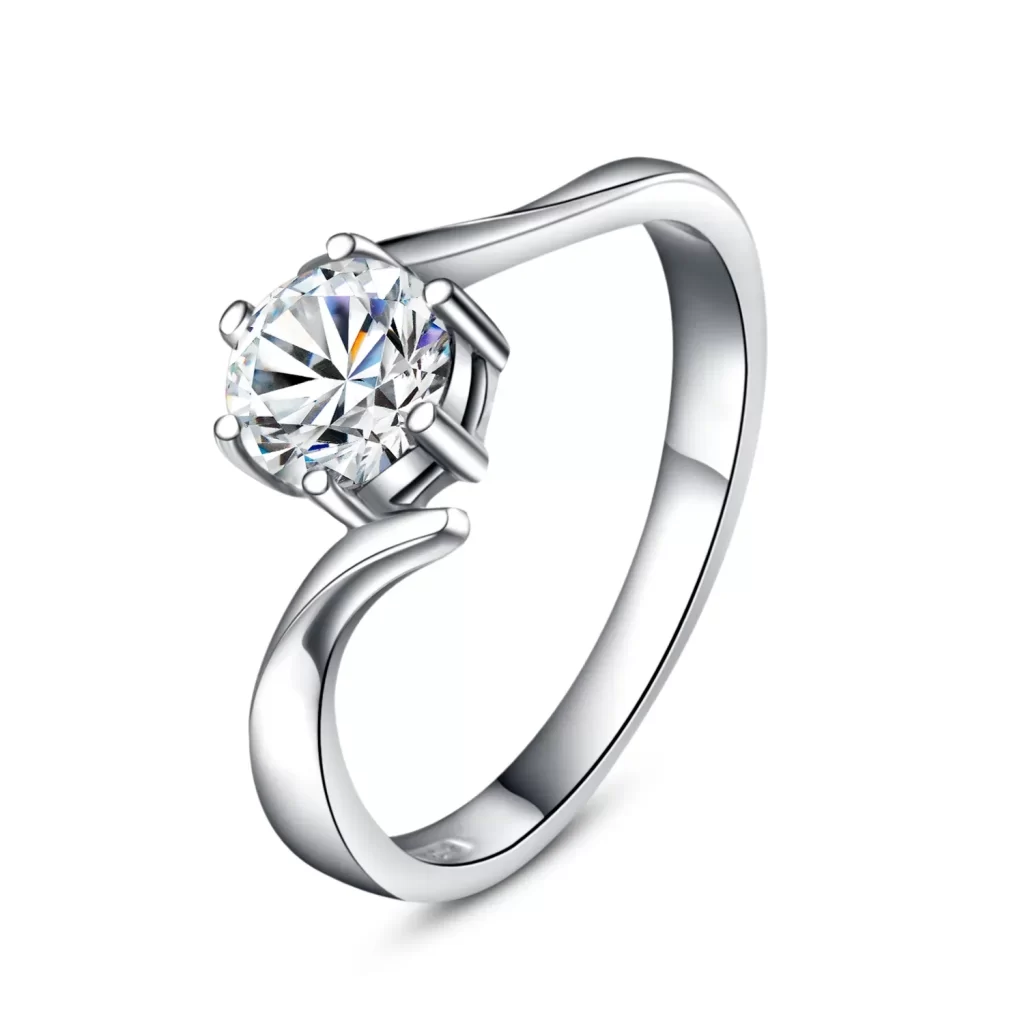 Cost Differences Between Gold and Silver Options
Price is often the deciding factor. Gold or silver jewelry varies widely in cost. Understanding why helps you spend wisely.
Gold is rarer and more valuable. Its price depends on weight, purity, and market demand. Even small changes affect total cost.
Karat measures gold’s purity. 24K is pure. 18K is 75% gold. 14K is 58%. Lower karat means less gold content. This reduces price but increases durability.
Silver costs significantly less. Sterling silver offers shine at an affordable rate. It allows bolder designs without breaking the bank.
You can buy larger silver pieces for the same price as small gold ones. Statement necklaces, wide cuffs, and layered rings become accessible.
However, silver requires more maintenance. Tarnish builds up over time. Cleaning takes effort. Gold resists corrosion and holds its luster longer.
Plated jewelry offers a middle ground. Gold-plated items have a thin layer over base metal. They look rich but last only a few years.
Solid gold lasts decades. It can be passed down as heirlooms. Resale value remains strong.
Budget doesn’t mean compromise. Silver lets you follow trends. Gold invests in timelessness.
Both metals deliver beauty. Choose based on long-term goals and financial comfort.
Symbolism and Emotional Meaning Behind Each Metal
Beyond looks and cost, metals carry deep meaning. Gold or silver jewelry often represents values, beliefs, and milestones.
Gold symbolizes wealth, success, and permanence. It appears in wedding bands and graduation gifts. Its glow suggests achievement and celebration.
Many cultures link gold to the sun. It stands for energy, power, and life force. Religious icons and royal crowns use gold to convey divinity.
Silver connects to the moon and water. It reflects calm, clarity, and intuition. People drawn to meditation or healing often choose silver.
In some traditions, silver wards off negative energy. Amulets and talismans use it for protection. Moonstone or quartz set in silver enhance spiritual focus.
Birthstones paired with metal deepen meaning. A silver ring with a sapphire speaks of loyalty. A gold pendant with emerald honors growth.
Anniversaries follow traditional lists. 25th is silver. 50th is gold. These guide gift choices and honor lasting bonds.
Personal symbols grow stronger over time. A charm bracelet collects memories. Each addition tells part of a life story.
Gifts carry emotion. Giving gold or silver jewelry says, “You matter.” It marks moments worth remembering.
These meanings transform simple accessories into sacred objects.
 Caring for Gold vs. Silver Jewelry Over Time
Maintenance keeps jewelry looking new. Gold or silver jewelry responds differently to cleaning and storage.
Gold rarely tarnishes. Warm soapy water and a soft brush restore shine. Rinse and dry completely before storing.
Avoid chlorine and bleach. These damage gold over time. Remove rings before swimming or cleaning.
Ultrasonic cleaners work for solid gold. They remove buildup safely. Do not use them on stones or plated pieces.
Silver requires more attention. Tarnish forms from sulfur in air and skin oils. Regular wear actually slows this. Movement polishes the surface slightly.
Use a silver polishing cloth after each use. Store in anti-tarnish bags with activated charcoal. Keep away from rubber bands and wool, which speed oxidation.
Never use toothpaste on silver. It’s too abrasive. Stick to solutions made for silver care.
Remove all jewelry during intense activity. Sweat, lotions, and perfumes harm both metals. Showering with them accelerates wear.
Store pieces separately. Soft pouches or lined boxes prevent scratches. Hanging necklaces avoids tangling.
Proper care extends life. A little routine prevents major repairs later.
Mixing Gold and Silver in Modern Styling
Today’s fashion embraces mixing metals. Rules are looser than before. Many stylists encourage combining gold or silver jewelry for bold effect.
Start with a dominant metal. Let one lead the look. Add accents in the other. This creates interest without chaos.
Layer necklaces of different lengths. A short gold choker pairs with a long silver pendant. Vary textures—smooth chains with beaded strands.
Wear mismatched earrings. One gold hoop, one silver stud. This trend works for casual and artistic outfits.
Stack rings across fingers. Alternate finishes like matte and polished. Mix widths and shapes for depth.
Balance color palettes. Warm clothing suits gold highlights. Cool tones go well with silver. Neutral outfits allow both.
Bracelets stack easily. Combine bangles, cuffs, and chains. Use leather cords to bridge the two metals.
Matching sets still have value. Uniform metal feels polished and intentional. Reserve mixed styles for creative expression.
Confidence sells the look. If you wear it with assurance, it works.
There’s no single rule anymore. Personal style defines what’s right.
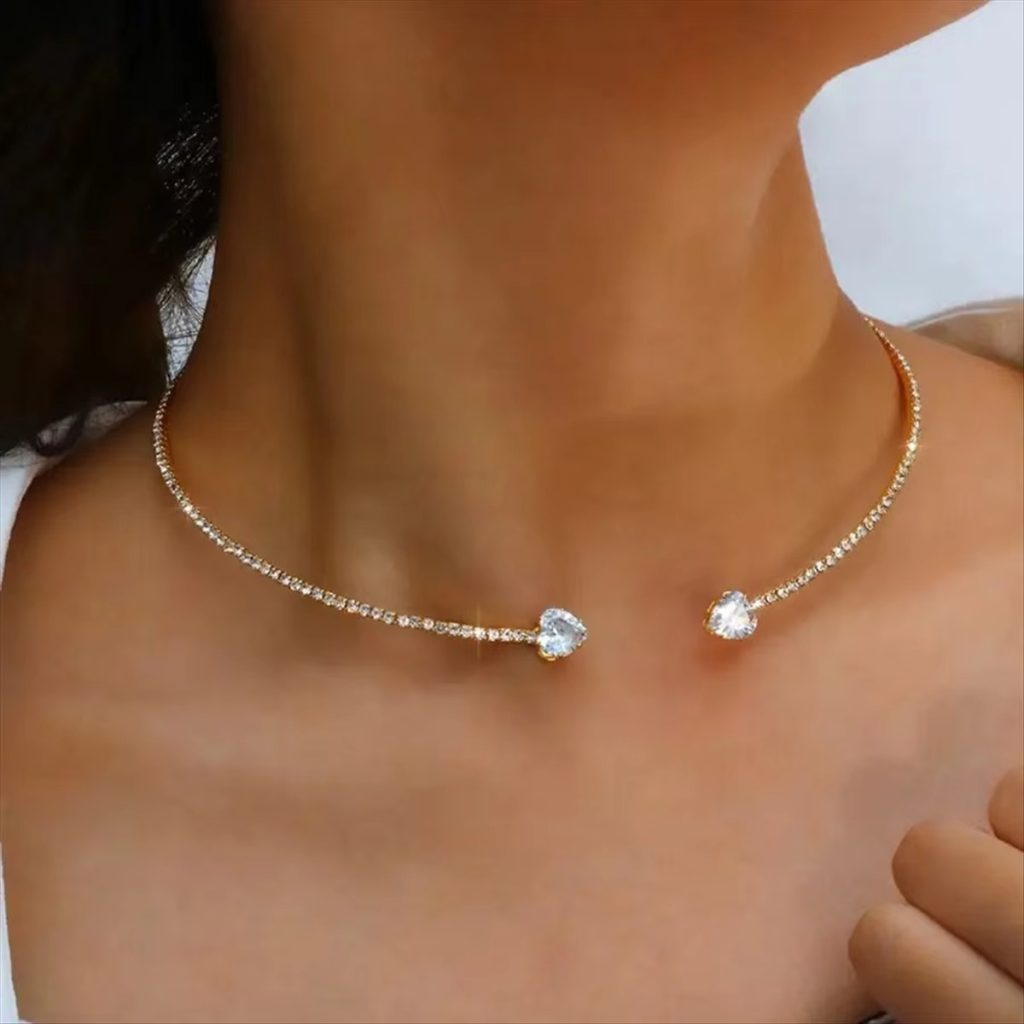 Gift-Giving Traditions Around Gold and Silver
Choosing gold or silver jewelry as a gift carries tradition and thoughtfulness. Each metal fits certain occasions.
Weddings often feature gold. Rings symbolize eternal love. Brides may receive gold necklaces from family members.
Engagement rings typically use white gold or platinum. Yellow gold makes a comeback in vintage-inspired designs.
Anniversaries follow classic themes. First anniversary includes paper. Fifth uses wood. Tenth is tin or aluminum.
The 25th anniversary celebrates with silver. Couples exchange rings, frames, or keepsakes. This marks a quarter-century together.
The 50th is golden. Families gather to honor five decades of marriage. Gifts include engraved pendants or cufflinks.
Birthdays vary by age. Teens enjoy trendy silver pieces. Adults appreciate refined gold designs.
Religious ceremonies use both. Baptisms, bar mitzvahs, and confirmations include meaningful tokens. Crosses, stars, or charms mark faith.
Graduations call for encouragement. A simple chain says, “I believe in you.” Engraved lockets hold photos or quotes.
Even self-gifting matters. Treating yourself builds confidence. A new bracelet marks a promotion or personal win.
Thoughtful presentation enhances impact. Pair with a handwritten note.
The act of giving strengthens bonds. Gold or silver jewelry becomes a lasting reminder.
Frequently Asked Questions
Can I wear gold and silver every day?
Yes. Both are safe for daily wear. Just clean them regularly.
Does silver turn skin green?
Sometimes. It depends on body chemistry. Coating the inside helps.
Which metal lasts longer?
Gold does. It resists tarnish and corrosion better.
Is silver hypoallergenic?
Sterling silver is usually safe. Some react to the alloy. Nickel-free options exist.
Can I resize gold and silver rings?
Most can be resized. Complex designs may limit changes.
How do I know if my jewelry is real?
Look for stamps like “925” for silver or “14K” for gold. Test kits are available.
Should I insure expensive pieces?
Yes. High-value items benefit from jewelry insurance.
Where should I buy quality jewelry?
Choose trusted jewelers, certified online stores, or reputable brands.
These answers help buyers make informed choices.
 Final Thoughts on Choosing the Right Metal
Deciding between gold or silver jewelry is personal. It involves taste, budget, lifestyle, and meaning. Neither metal is better overall. Each shines in its own way.
Gold brings warmth, prestige, and longevity. Silver offers brightness, versatility, and affordability. You don’t have to pick one forever. Build a collection that grows with you.
Let your wardrobe, skin tone, and habits guide you. At the same time, trust your instincts. Wear what makes you feel confident.
Whether you choose a delicate silver chain or a bold gold cuff, let it tell your story. With proper care, gold or silver jewelry becomes part of your legacy—one memory at a time.