The Stout Scarab stands as one of the most revolutionary vehicles ever built. Though not widely known today, it introduced concepts that would shape future car design. Created in the 1930s by William Bushnell Stout, this vehicle broke away from traditional auto engineering. It reimagined what a family car could be.
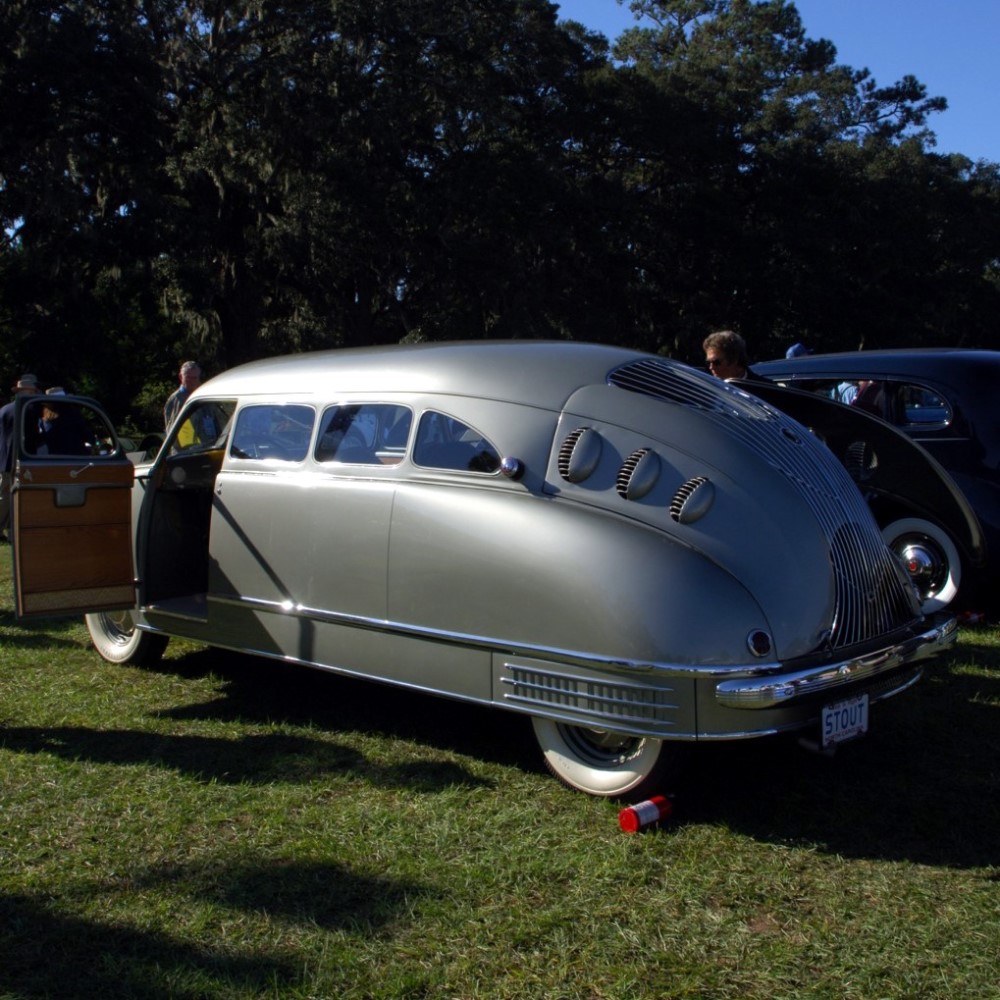
Unlike the boxy sedans of its time, the Stout Scarab featured a streamlined, aerodynamic body. It used advanced materials and innovative mechanics long before they became common. With its rear-mounted engine, spacious interior, and focus on comfort, it was decades ahead of its era.
Moreover, the Stout Scarab offered features we now associate with modern minivans. It had a flat floor, removable seats, and flexible cabin layouts. Passengers could rearrange seating for conversation or rest. This adaptability was unheard of at the time.
It also included independent suspension and front-wheel drive. These improved ride quality significantly. Its aircraft-inspired construction reduced weight while increasing strength. Stout applied his aviation experience directly to automotive innovation.
Despite limited production, the Stout Scarab influenced later designs. Many historians consider it the first true minivan. Others see it as a precursor to mobile living spaces. Either way, its legacy endures in today’s vehicles.
 Design Philosophy Behind the Stout Scarab
Breaking Conventions Through Innovation
William Stout believed cars should serve people, not just move them. He rejected the standard horseless carriage model. Instead, he focused on space, comfort, and efficiency. His vision shaped every aspect of the Stout Scarab.
He drew inspiration from aviation. Planes used lightweight frames and smooth shapes. Stout applied these principles to ground transport. The result was a low-drag, efficient form.
The Stout Scarab used a monocoque chassis. This meant the body itself provided structural support. Traditional cars relied on heavy frames underneath. Stout’s method saved weight and allowed more interior room.
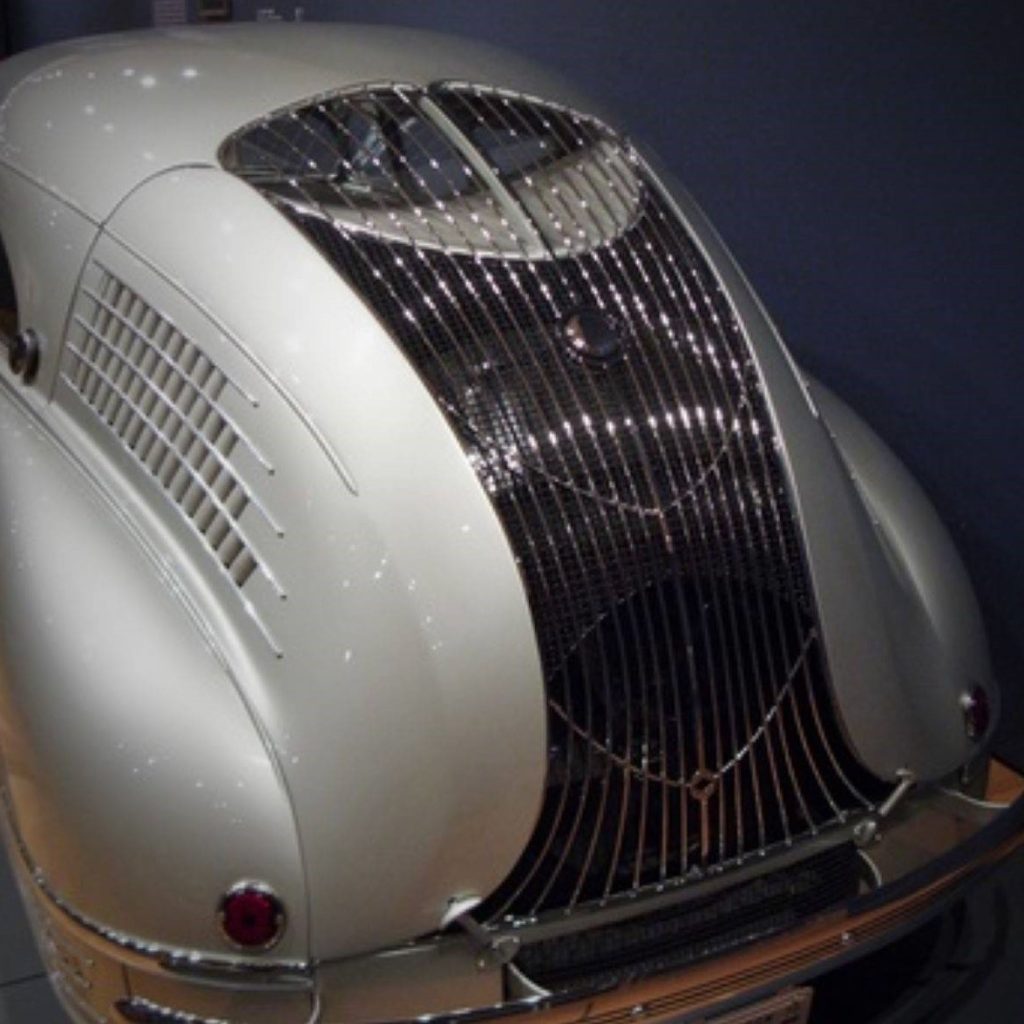
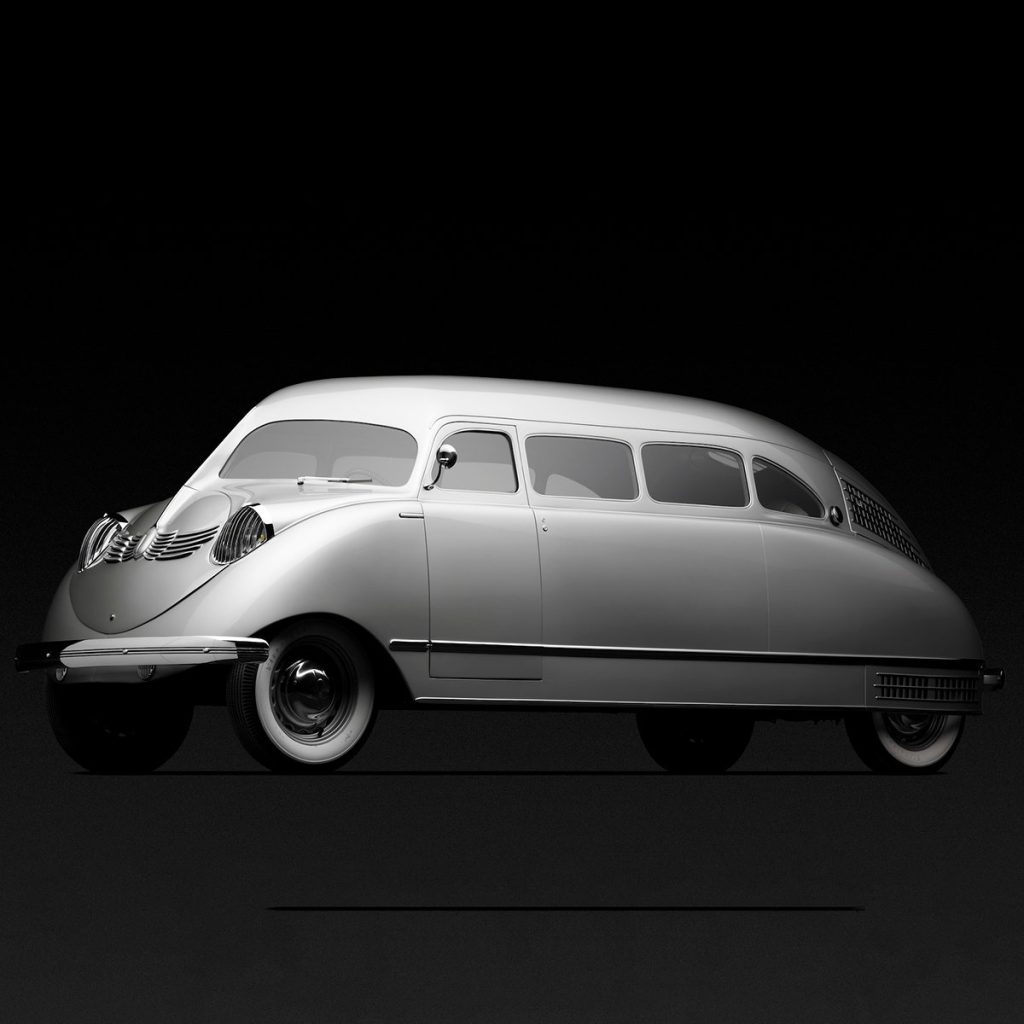
Its teardrop shape reduced wind resistance. Rounded corners and a sloping rear improved airflow. Engineers didn’t widely adopt such designs until years later.
Doors opened wide for easy access. No B-pillar blocked entry. This made boarding simpler, especially for older passengers. It also created an open feel inside.
Materials were carefully chosen. Aluminum panels covered steel tubing. This combination resisted rust and lowered mass. Repairs were harder, but durability improved.
Every detail had purpose. Even the placement of windows maximized visibility. Curved glass wrapped around corners. Drivers saw more without turning their heads.
Stout wanted freedom from tradition. He challenged norms at every level. The Stout Scarab wasn’t just a car—it was a statement.
Interior Layout and Passenger Experience
Redefining Comfort and Flexibility
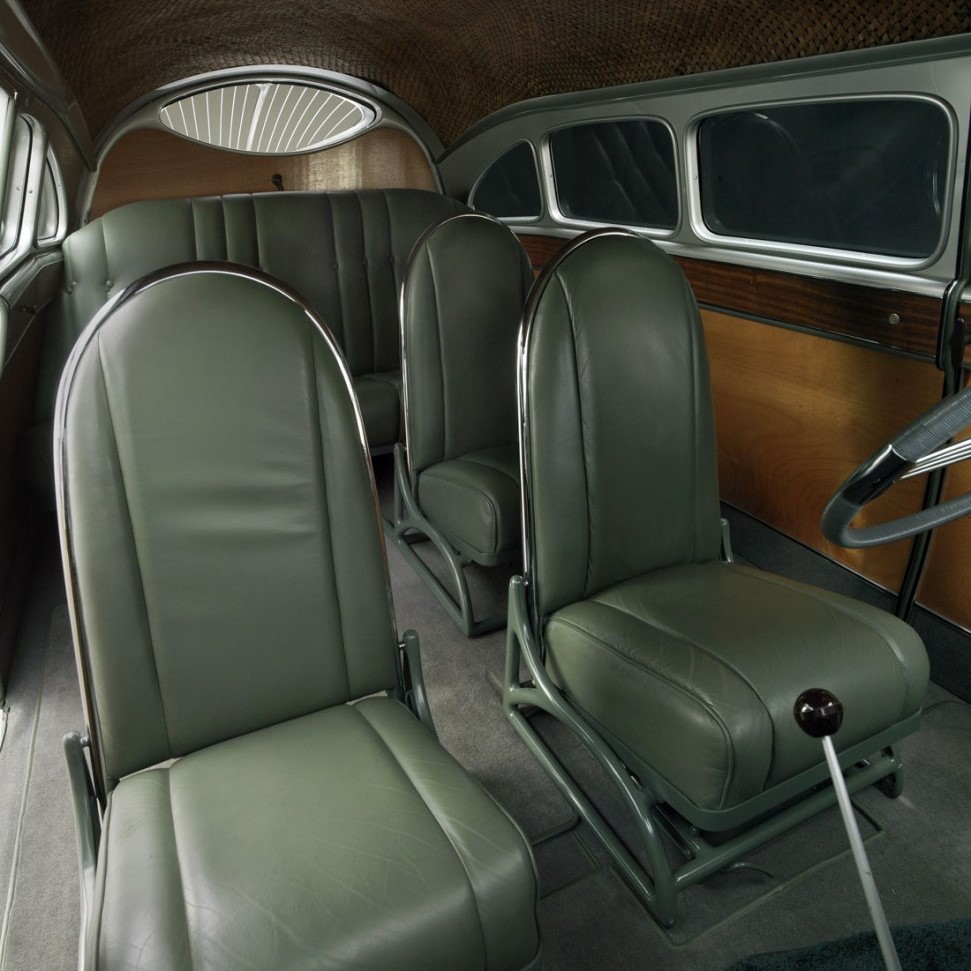
Inside, the Stout Scarab felt unlike any other vehicle of its time. It seated up to eight people comfortably. More importantly, it allowed them to interact freely. Seats faced each other like a lounge.
Furniture-grade upholstery covered padded benches. Rich fabrics and fine stitching elevated the mood. Some models included tables that folded down. Passengers played cards or shared meals.
Seats were fully removable. Owners could reconfigure the cabin based on need. Turn it into a sleeper area. Or clear space for cargo. This flexibility amazed observers.
A large central table linked forward and rear-facing chairs. Families gathered around it during stops. Business travelers used it for meetings on the go. The car doubled as a mobile office.
Carpeted floors added warmth. They reduced noise and felt pleasant underfoot. Insulation kept road sounds low. Conversations flowed easily even at speed.
Climate control was basic but effective. Vents directed fresh air where needed. Later versions experimented with heating systems. Cooling remained passive through open windows.
Storage appeared throughout. Hidden compartments held luggage or tools. Drawers slid out beneath seats. Nothing cluttered the main cabin.
Natural light flooded in. Large side and rear windows expanded the sense of space. Sunroofs were available on custom builds.
This focus on human experience set the Stout Scarab apart. It treated occupants like guests, not passengers.
 Engineering Innovations That Set It Apart
Technical Breakthroughs Ahead of Their Time
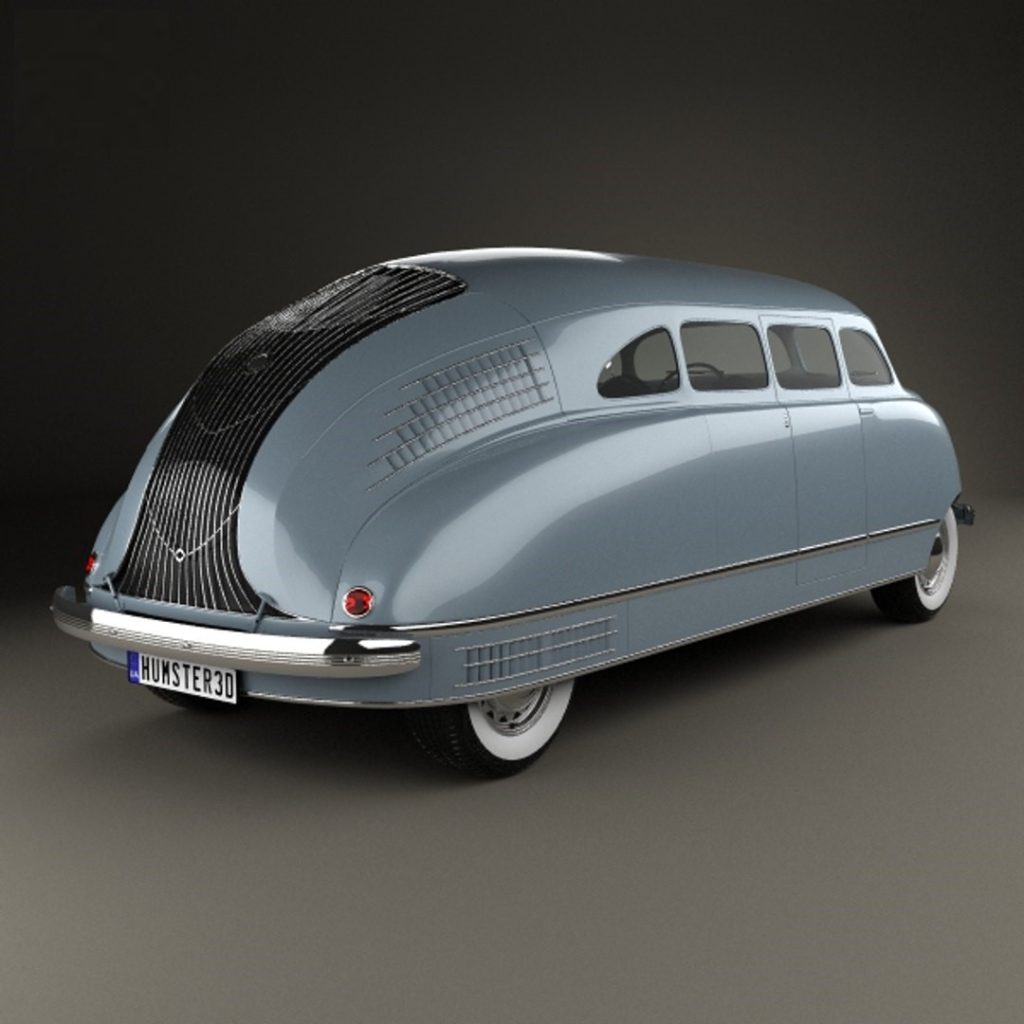
Under the hood, the Stout Scarab broke new ground. It used a rear-mounted Ford V8 engine. This freed up cabin space and balanced weight distribution. Power traveled to the rear wheels efficiently.
Independent suspension improved ride quality. Each wheel moved separately over bumps. This reduced jolts and kept tires grounded. Handling stayed stable on rough roads.
Front-wheel drive was tested in early prototypes. Though not adopted in final models, it showed Stout’s willingness to experiment. He explored options others ignored.
The steering system used rack-and-pinion design. This offered precise control with less effort. Drivers responded positively to its responsiveness.
Brakes were hydraulic and self-adjusting. They delivered consistent stopping power. Drum units surrounded each wheel. Cooling fins prevented overheating during long descents.
Electrical systems were modern for the era. Twelve-volt circuits powered lights and accessories. Wiring ran through protective conduits. Fewer shorts occurred compared to exposed bundles.
Fuel efficiency surprised many users. Despite its size, the Stout Scarab achieved reasonable mileage. Aerodynamics and light construction helped conserve energy.
No automatic transmission existed then. However, Stout designed smooth-shifting manual gearboxes. Linkages minimized effort and noise.
These technical choices reflected deep thinking. Every component served function and comfort.
Production Challenges and Limited Availability
Why the Stout Scarab Never Reached Mass Market
Despite its brilliance, the Stout Scarab never entered mass production. Only nine were ever built. High costs and complex assembly limited output.
Each unit required skilled craftsmanship. Workers hand-fitted panels and wired systems. Automation played no role. This drove labor hours up.
Materials were expensive. Aluminum cost more than steel. Tubing frameworks took time to weld accurately. Any mistake meant redoing entire sections.
Customization increased delays. Buyers requested unique interiors or extra features. Stout encouraged personal touches. But this slowed delivery timelines.
Pricing put it out of reach for average buyers. It sold for several thousand dollars. In the 1930s, that equaled a small house. Few could justify the expense.
The Great Depression worsened sales chances. People prioritized essentials over luxury vehicles. Even wealthy clients hesitated during economic uncertainty.
Manufacturing partners pulled back. Stout lacked strong industry backing. Unlike major automakers, he couldn’t absorb losses. Funding dried up over time.
Some parts came from third-party suppliers. Delays in deliveries stalled progress. Coordination issues disrupted workflow.
Ultimately, vision outpaced practicality. The Stout Scarab was too advanced for its time. Society wasn’t ready for such radical change.
Yet, its rarity adds to its legend today. Collectors prize surviving models highly.
 Influence on Modern Vehicles and Design Trends
How the Stout Scarab Shaped Future Cars
Though obscure, the Stout Scarab inspired generations of designers. Its ideas resurfaced in later decades. Minivans, RVs, and people carriers owe it a debt.
Chrysler’s minivans of the 1980s echoed its layout. Flat floors and configurable seating mirrored the Stout Scarab concept. Rear engines gave way to front-wheel drive. But the philosophy remained.
European MPVs adopted similar logic. Volkswagen’s Transporter series included lounge-like cabins. Mercedes-Benz introduced luxury vans with movable furniture.
Recreational vehicles (RVs) embraced its mobile living idea. Kitchens, beds, and lounges fit into compact spaces. The Stout Scarab proved this was possible decades earlier.
Automakers studied its aerodynamics. Streamlined bodies reduced drag and improved fuel economy. Today’s EVs prioritize shape for range.
Tesla and Rivian borrowed spatial concepts. Open interiors encourage interaction. Screens replace buttons. Simplicity defines modern dashboards.
Even autonomous vehicle concepts reflect its spirit. If drivers aren’t needed, why face forward? Rotating seats allow face-to-face travel.
Museums display surviving Stout Scarab models proudly. Scholars reference it in design courses. It appears in documentaries about innovation.
Its DNA lives on in every vehicle that values comfort over speed. The Stout Scarab taught us that cars can be homes on wheels.
Cultural Impact and Recognition Over Time
From Obscurity to Iconic Status
At launch, the Stout Scarab received mixed reactions. Some called it ugly or impractical. Others hailed it as genius. Public opinion shifted slowly.
Magazines featured it in special reports. Photographs captured its futuristic look. Writers struggled to categorize it. Was it a car? A coach? A machine for living?
Celebrities showed interest. One model belonged to a famous industrialist. Another sat in a designer’s private collection. Word spread among elite circles.
Over time, appreciation grew. As technology caught up, experts recognized its foresight. Historians labeled it “ahead of its time.”
Restoration projects brought old units back to life. Enthusiasts tracked down parts globally. Forums discussed technical details and original specs.
Documentaries highlighted its significance. Film clips showed it gliding down highways. Narrators emphasized its pioneering nature.
Universities used it in engineering classes. Students analyzed its structure. They replicated elements in senior projects.
Art exhibits placed it beside sculptures. Curators noted its sculptural form. It blurred lines between function and art.
Today, the Stout Scarab symbolizes bold thinking. It reminds us that progress needs risk-takers. Vision matters as much as execution.
 Frequently Asked Questions
Common Inquiries Answered Clearly
Was the Stout Scarab mass-produced? No. Only nine were made. All were hand-built and customized.
What engine did it use? Most used a Ford flathead V8. Mounted in the rear for better balance.
Could you buy one today? Rarely. Surviving models appear at auctions. Prices reach six figures.
Did it have seatbelts? No. Safety belts weren’t invented yet. Occupants relied on padded interiors.
How fast could it go? Around 75 mph. Respectable for its era and size.
Was it noisy inside? Surprisingly quiet. Insulation and smooth shape reduced wind and road noise.
Did it inspire other car makers? Indirectly. Chrysler and VW teams studied its design.
Is there a replica available? Some hobbyists built recreations. No official reproductions exist.
These answers help clarify myths and facts.
 Final Thoughts
The Stout Scarab remains a landmark in automotive history. It challenged conventions when few dared. Its blend of comfort, innovation, and vision still impresses.
While not a commercial success, its influence runs deep. It planted seeds for minivans, electric vehicles, and smart interiors. Designers continue to draw from its blueprint.
More than metal and rubber, the Stout Scarab represents courage. It proves that one person’s dream can shift an entire industry. Even with limited reach, impact can be lasting.
For anyone interested in design or transportation, studying the Stout Scarab is essential. It teaches that progress begins with imagination. And sometimes, being too far ahead is still worth it.